
The fascinating journey of casinos from ancient games to modern marvels
The fascinating journey of casinos from ancient games to modern marvels
The Origins of Gambling: Ancient Civilizations
The history of gambling can be traced back to ancient civilizations, where games of chance were played for entertainment and social interaction. Archaeological evidence suggests that dice, which date back to around 3000 BC, were used in various cultures, including those in Mesopotamia and Egypt. These early forms of gambling served as both leisure activities and rituals, often linked to spirituality and fate. The allure of chance captivated individuals, setting the groundwork for what would become a global phenomenon. In this context, players today can explore thrilling options at mafiacasino-canada.co/, connecting to the historical roots of this age-old pastime.
:max_bytes(150000):strip_icc()/GettyImages-108359653-57156e533df78c3fa2286c42.jpg)
In ancient Rome, gambling gained popularity among citizens, often taking place at public festivals and gatherings. The Romans introduced games involving betting on gladiatorial contests, further merging the thrill of competition with the chance of winning. This intersection of sports and gambling not only entertained the masses but also paved the way for future betting systems. The historical significance of these activities illustrates how deeply embedded gambling was in social practices and cultural traditions.
Meanwhile, in Asia, games such as Mah Jong and various forms of lottery emerged, reflecting local customs and social values. In China, gambling was often intertwined with the concept of fate and fortune, leading to the development of betting systems that are still prevalent today. The rich tapestry of ancient gambling practices showcases the human fascination with luck, risk, and reward, setting the stage for the evolution of casinos into modern entities.
The Birth of Modern Casinos
The transition from ancient gaming practices to modern casinos began in the 17th century. The establishment of the first official casino, the Casino di Venezia, in Italy marked a significant milestone. This venue not only offered traditional gambling games but also introduced an atmosphere of elegance and sophistication, attracting the elite of society. The term “casino,” originally meaning a small house or villa, evolved to represent spaces dedicated to gambling and leisure.
As gambling spread across Europe, various countries embraced it differently, leading to the emergence of distinct casino styles. For instance, France developed its unique set of table games, such as roulette and baccarat, which are now staples in casinos worldwide. These games not only relied on chance but also incorporated elements of strategy, further enticing players and increasing the stakes. The increasing popularity of casinos brought them into the limelight as social hubs, where individuals gathered to indulge in games of chance and entertainment.
The 19th century saw a surge in casino establishments, particularly in cities like Monte Carlo, which became synonymous with high-stakes gambling. The glamour of the era attracted celebrities and royalty, solidifying the casino’s place in popular culture. The design and architecture of casinos also began to reflect this opulence, featuring grand ballrooms and elaborate decorations. This period laid the groundwork for the casino industry we recognize today, blending entertainment, luxury, and chance into a singular experience.
The Role of Technology in Casino Evolution
The late 20th century ushered in technological advancements that revolutionized the casino landscape. The introduction of slot machines transformed gambling by allowing players to engage in games with minimal effort. These one-armed bandits quickly became a favorite among casual gamblers due to their accessibility and potential for high returns. The colorful lights and sounds of these machines created an exhilarating atmosphere, enticing players to try their luck.
As technology continued to advance, casinos adapted by integrating electronic gaming systems and online platforms. The rise of the internet in the 1990s gave birth to online casinos, allowing players to gamble from the comfort of their own homes. This digital transformation expanded the reach of casinos, making them more accessible to a global audience. Online gaming platforms offered a vast array of games and innovative features, attracting millions of new players and changing the gambling landscape forever.
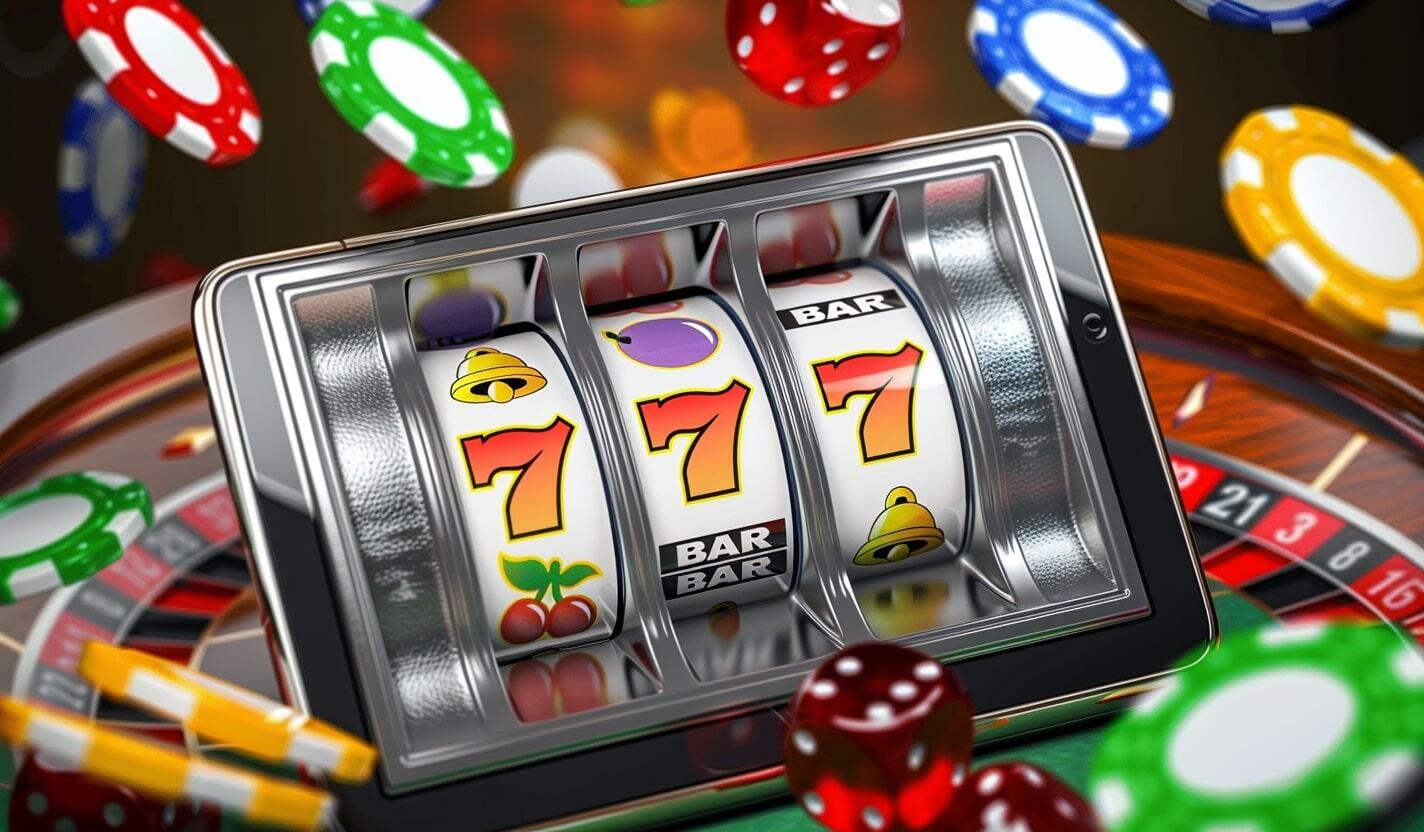
In addition to online gaming, advancements in mobile technology have led to the proliferation of mobile casinos. Players can now engage in their favorite games on smartphones and tablets, enhancing convenience and flexibility. This shift has further blurred the lines between traditional and modern gambling experiences. As technology continues to evolve, the future of casinos promises even more exciting developments, ensuring the industry remains vibrant and dynamic.
The Psychology of Gambling: Why We Play
The allure of casinos goes beyond mere entertainment; it taps into the fundamental aspects of human psychology. The thrill of gambling activates the brain’s reward system, releasing dopamine and creating feelings of pleasure and excitement. This neurochemical response can lead to a phenomenon known as the ‘gambler’s fallacy,’ where players believe that past outcomes influence future results, prompting them to chase losses and continue playing. Understanding this psychological component is crucial for both players and operators in the casino industry.
Moreover, casinos are meticulously designed to enhance the gambling experience. Elements such as lighting, sound, and layout are carefully curated to create an immersive environment that encourages players to stay longer and gamble more. The absence of clocks and windows in many casinos further contributes to this effect, as it creates a sense of timelessness. By manipulating the physical space, casinos can significantly influence player behavior and spending habits.
Additionally, social interactions play a significant role in the gambling experience. Players often engage with one another, sharing stories and experiences, which fosters a sense of community. This social aspect can heighten the thrill of the game, as individuals celebrate wins together or offer support during losses. Understanding the psychological motivations behind gambling can help improve responsible gaming practices and enhance player satisfaction, ensuring a more sustainable and enjoyable experience.
The Modern Casino Experience
Today’s casinos offer an unparalleled experience that merges gaming, entertainment, and luxury. Establishments like Las Vegas and Macau have become iconic destinations, attracting millions of visitors each year. These casinos are not merely places for gambling; they host concerts, fine dining, and extravagant shows, providing a comprehensive entertainment experience. The fusion of these elements has transformed the perception of casinos into vibrant entertainment hubs rather than mere gambling locations.
Moreover, the rise of online casinos has expanded the definition of the gambling experience. Players can enjoy an extensive selection of games, including live dealer options that replicate the real casino atmosphere. Interactive features and social gaming elements have further enhanced player engagement, allowing for a more dynamic and enjoyable experience. The adaptability of online platforms means that players can enjoy their favorite games anytime, anywhere.
The landscape of casinos continues to evolve, with a focus on enhancing player experience and satisfaction. Whether through innovative technology, luxurious environments, or engaging social interactions, modern casinos aim to provide an unforgettable experience. As the industry advances, it remains dedicated to meeting the diverse needs and preferences of players, ensuring that the fascination with gambling endures.
0 comments
Write a comment